
For a group of senior First Nations students from Seton Catholic College, this year’s Kimberley Cultural Immersion was the culmination of a two-year learning journey designed to strengthen cultural identity and deepen connections to Country through authentic experiences alongside Elders and Traditional Owners.

13 Jul 2026
Strengthening Identity Through Learning on Country
The Kimberley immersion forms the second stage of Seton’s First Nations Cultural Immersion Program. The journey begins with the College’s Shared Path philosophy, bringing together First Nations and non-First Nations students through weekly Kadadjiny Dandjoo (Coming Together) – an after-school gathering where students share a yarn, enjoy a snack and receive homework support – and a Southwest cultural immersion. Together, students connect with Country and share stories before the program culminates in a Kimberley immersion for First Nations students.
Seton’s Director of Finance and Operations, Peter Farrer-Smith, has been closely involved in the program since its inception, attending every camp and tour and he believes the first stage plays an important role in fostering reconciliation.
“I’ve always felt the biggest gap in programs like these was bridging the gap between First Nations and non-first nations people.
“By asking all first nations students to select one non-first nations student to participate in the program enables them both to share each other’s story and together experience a deep connection with Country. It is also consistent with the spirit of reconciliation.
“In an ideal world, our non-First Nations students would also participate in the Kimberley immersion. At the moment the cost makes that difficult, but it is certainly something to aspire to.”
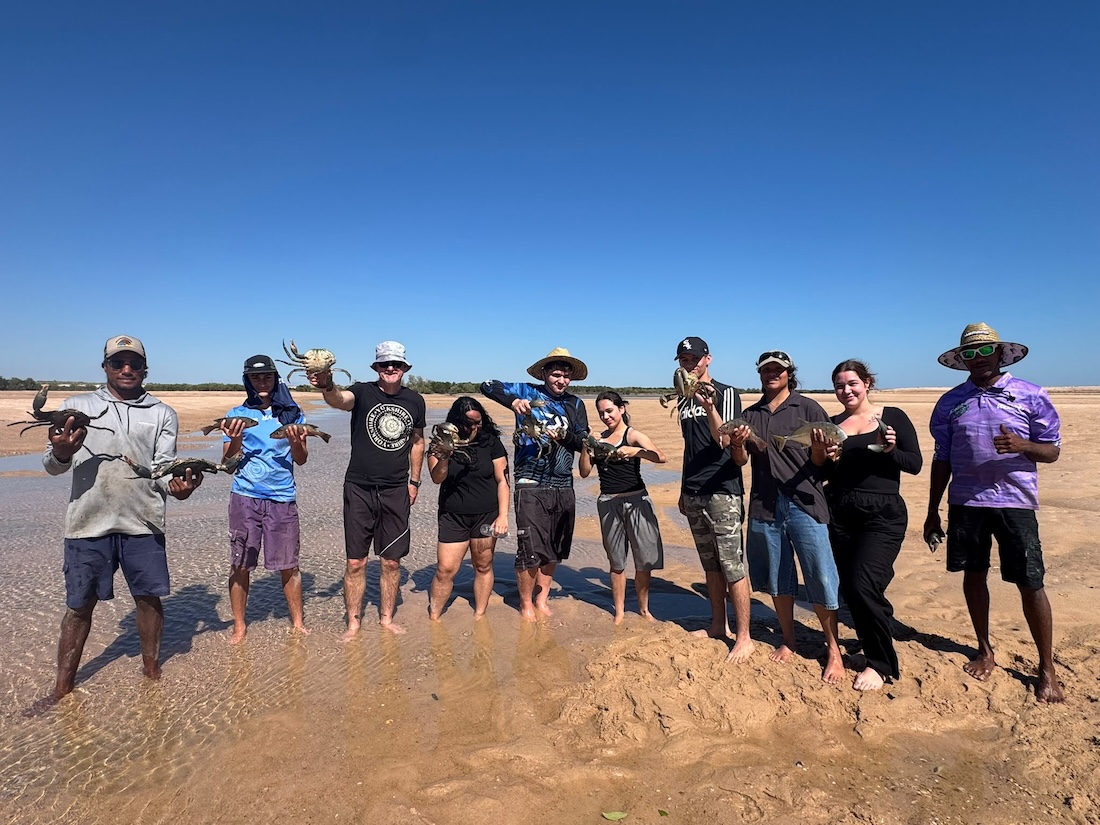
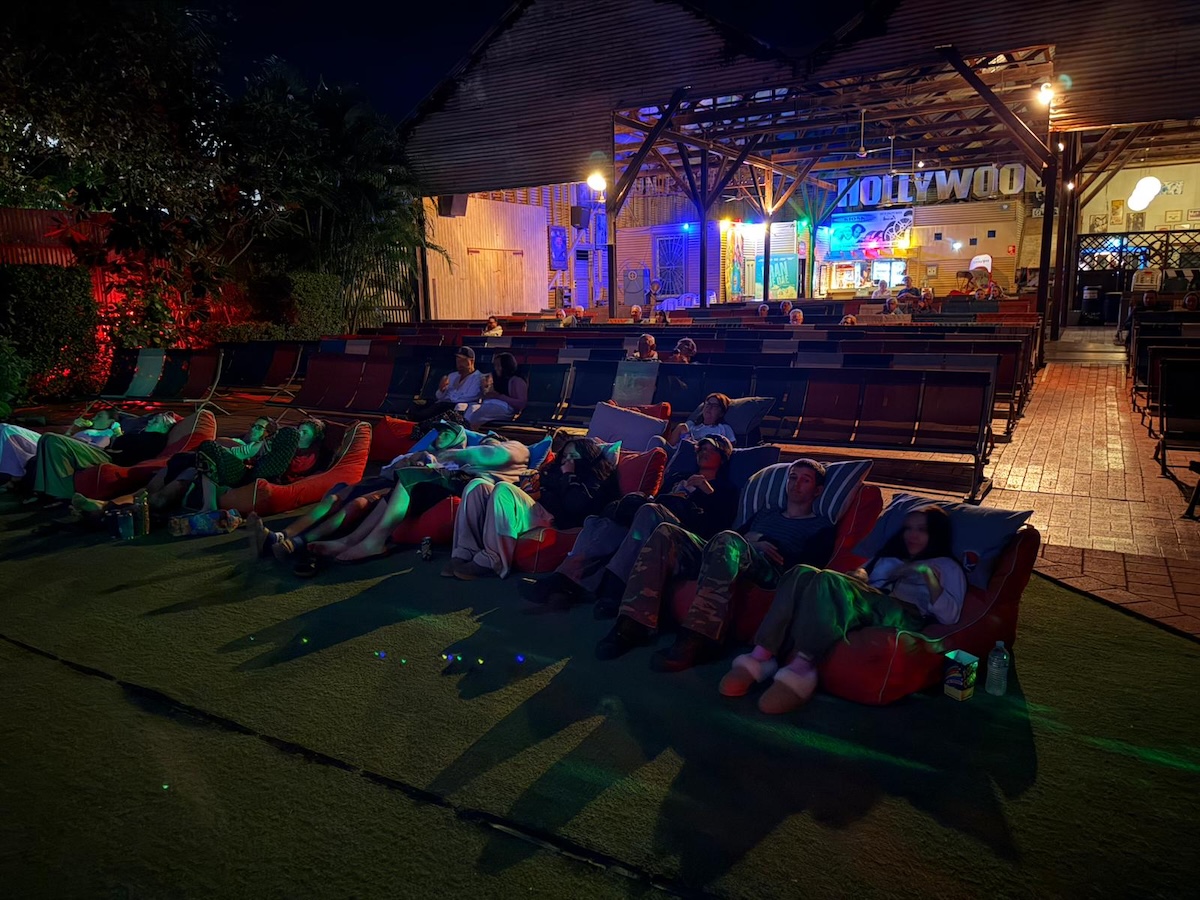
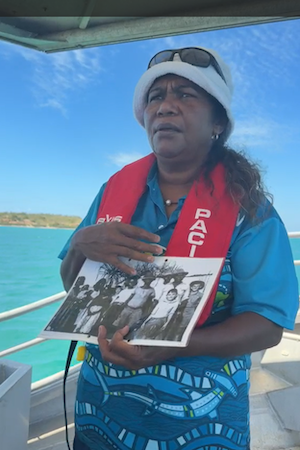
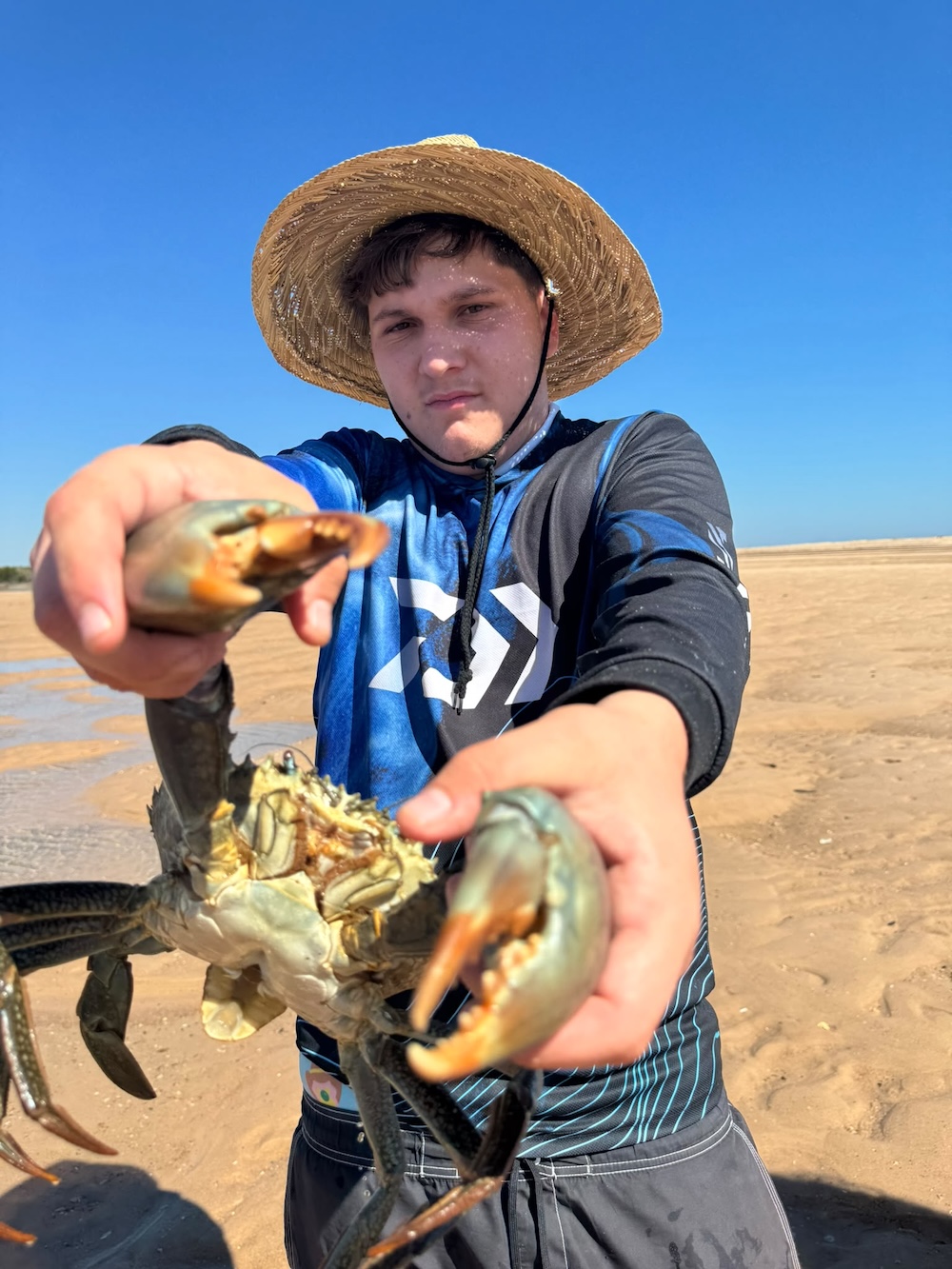
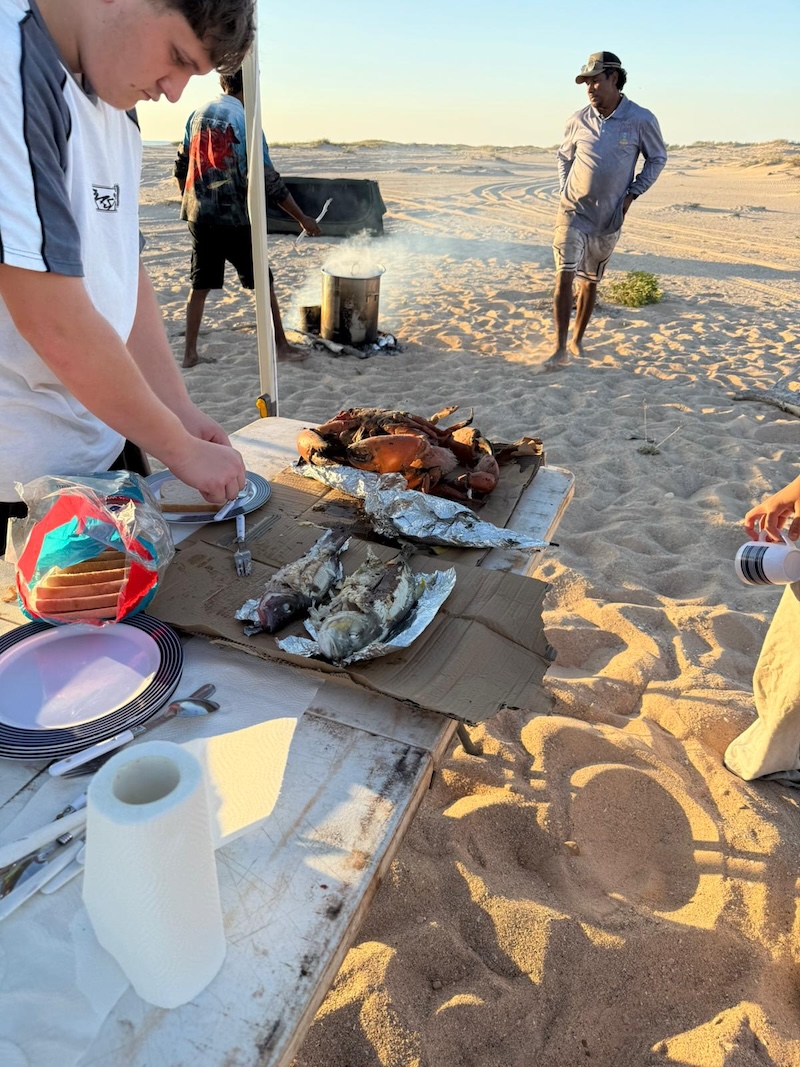
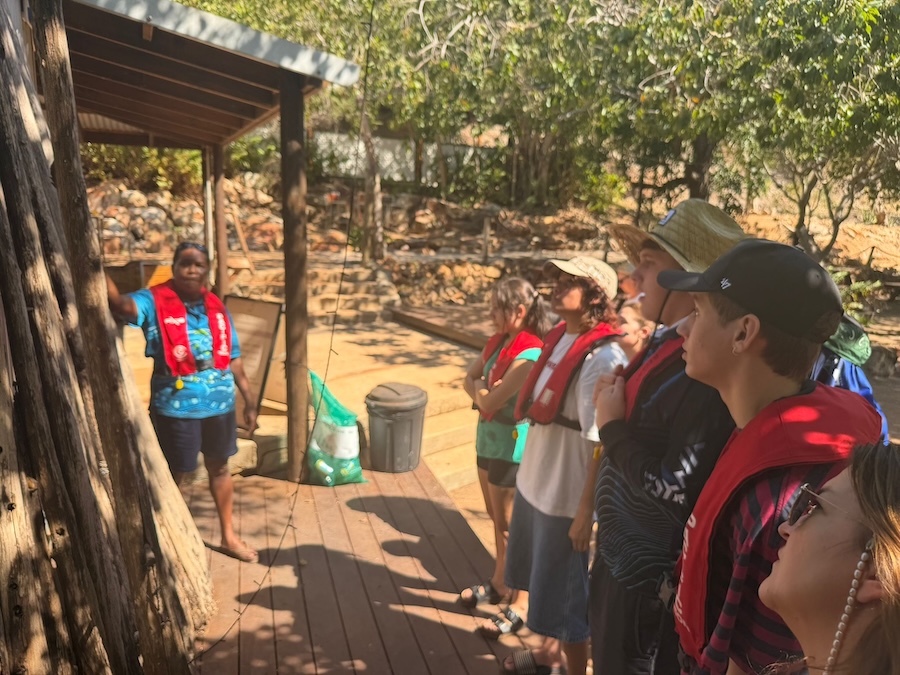
The Kimberley experience provides opportunities that simply cannot be replicated in a classroom. Guided by Elders and Traditional Owners, students learnt through stories, relationships and lived experiences while exploring the spectacular landscapes and rich cultural heritage of the region. Highlights included a journey with Jawi Elder Rosanna Angus to Oolin Sunday Island, a two-day tag-along experience with Jabirr Jabirr and Ngumbarl man Jaden Howard, a catch-and-cook camp with Bunda Bunda NJ Tours, and participation in the Kullarri NAIDOC Reconciliation Walk.
Throughout the journey, students developed practical skills, strengthened their independence and deepened their understanding of culture and Country.
Seton’s First Nations Liaison Officer Erin Priest-Bryant witnessed that growth firsthand.
“With the students being in unfamiliar environments, this challenged them to step outside their comfort zones, work collaboratively and become more independent.
“They took ownership of daily responsibilities, supported one another through challenges and demonstrated confidence in engaging respectfully with local Traditional Owners and community members. It was rewarding to watch quieter students find their voice and natural leaders emerge in situations where teamwork and initiative were essential.”
Erin said one of the most memorable experiences was the catch-and-cook camp with Bunda Bunda NJ Tours.
“Students learnt practical skills while gaining a deeper appreciation for sustainable practices, teamwork and the significance of caring for Country. Watching them work together, encourage one another and celebrate shared achievements around the campfire and during activities, highlighted the strong relationships they had built throughout the immersion.”
For the students, the week strengthened their connection to culture, Country and one another.
Cyarah said learning more about culture “has brought us all closer as a group” and described the camping experience, where students learnt to fish and shared freshly caught seafood, as “something I’ll forever remember.”
Mahlika reflected on the sense of belonging that developed throughout the week.
“I loved how small the group was because it made it feel more like a family vacation, instead of a school trip,” she said.
For Kymani, one of the most valuable lessons came through learning how to care for Country.
“Something that I took out from this trip was that we can and can’t take from islands that are not yours… you can take shells but you cannot take rocks because they are not yours.”
The students’ reflections highlight the true impact of the program. While the Shared Path philosophy builds understanding between First Nations and non-First Nations students, the Kimberley immersion provides First Nations students with a unique opportunity to strengthen their identity, deepen their connection to Country and return home with experiences that will shape their leadership and sense of self for years to come.